Drilling Bits for Oil & Gas Operations: Types, Applications and Selection Guide
In
oil and gas industry, drilling bits are the critical tools that enable
exploration and production---their performance directly impacts drilling
efficiency, cost and project timeline. Choosing the right drilling bit for
downhole condition is a necessary prerequisite for optimizing operations.
Common Drilling Bits
Types in Oilfield Operations
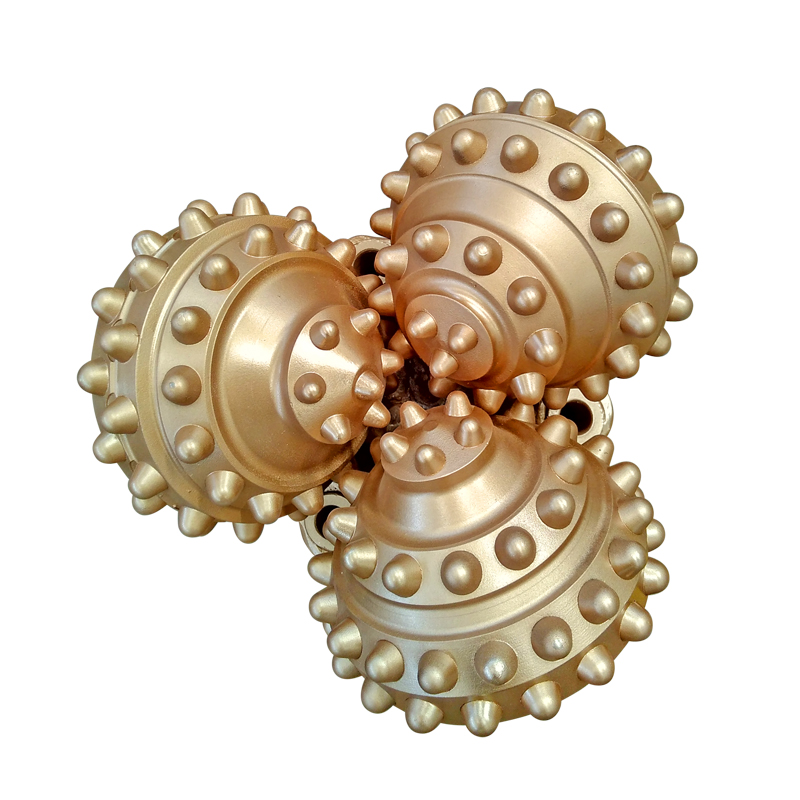
1. Tricone
Drill Bits
The
most traditional and widely used option, tricone bits are equipped three rotating cones with teeth (either milled or insert). Cones roll and
Crush rock as you drill. It is suitable for soft to medium-hard formations
(e.g., sandstone, limestone) and are valued for their durability in high-torque
environments. However, it performance maybe limited in extremely hard rock
formations.
2. Diamond Drill Bits
Engineered for hard, abrasive formations (e.g.,
granite, quartz), diamond bits use synthetic diamond cutters to grind through
rock. In complex downhole conditions,they offer longer service life and faster
drilling rates than tricone drilling bit, making them ideal for deep well
drilling--thought their higher upfront cost requires careful cost benefit
analysis.
3. Auger Drill Bits
Suitable for unconsolidated formations(e.g., clay,
loose sand), auger bits use a spiral flute to remove cuttings efficiency. They
are commonly used in shallow exploration or for soil sampling, as their design
prevents clogging in soft, high-sediment environments.
4. Specialized Bits (e.g., PDC Bits)
Polycrystalline Diamond Compact (PDC) bits combine
diamond cutting teeth with a tough cemented carbide substrate through a
high-temperature, high-pressure sintering process and are fixed to the drill
bit body by inlay welding. They deliver exceptional speed in soft-to-medium and
are a popular choice for horizontal drilling ( a type of operation with
extremely high requirements for precision and efficiency).
How to Select the Right Oilfield Drill Bits
1. Analyze Formation Properties
Start by assessing the rock’s hardness,
abrasiveness, and porosity.
For example:
Soft, sticky formations: Tricone bits with milled
teeth
Hard, abrasive formations: Diamond or PDC bits
2. Evaluate Drilling Parameters
Consider factors like well depth, rotation speed
(RPM), and weight on bit (WOB).
High-RPM operations pair best with PDC bits, while
tricone bits handle higher WOB in deep walls.
3. Cost vs. Performance Tradeoffs
While
diamond bits have a higher initial cost, their longer service life often
reduces overall drilling cost in hard formations. For shallow, low-abrasion
wells, tricone bits may be more cost-effective.
A
frequent question in field operations is: How to calculate drilling bit
economics? This involves comparing total costs (bit purchase + operational
downtime) against drilling rate and service life.
For
example, a $5000 diamond drill bit that drill 1000 feet in 10 hours may be more
cost-effective than a $2000 tricone bit that drill 500 feet in 8 hours.
In
summary, drill bit selection is a data-drive decision that balances formation
conditions, operational goals and cost. By understanding the strengths of each
bit type, oil and gas operator can minimize downtime, reduce expenses, and
improve well productivity.